Examples of tone in literature sentences
Tone Definition. What is tone? Here’s a quick and simple definition: The tone of a piece of writing is its general character or attitude, which might be cheerful or depressive, sarcastic or sincere, comical or mournful, praising or critical, and so on. Get explanations of more literary terms at www.litcharts.com Tone Wikipedia Page on Tone in Literature: A helpful overview of tone and its usage. A Definition of Tone: A definition of tone that includes a short overview of the difference between tone and mood. List of Poetic Tones: A handy chart listing a slew of tones commonly found in poetry, and all other types of literature.Tone (literature) - Wikipedia Definition of Tone. Tone is a literary device that reflects the writer’s attitude toward the subject matter or audience of a literary work. By conveying this attitude through tone, the writer creates a particular relationship with the reader that, in turn, influences the intention and meaning of the written words.What is Tone in Literature? Definition & Examples - Reedsy In literature, tone is the attitude or approach that the author takes toward the work’s central theme or subject. Works of literature can have many different types of tone, such as humorous, solemn, distant, intimate, ironic, arrogant, condescending, sentimental, and so on. Any emotion that humans can feel can be an example of tone in literature. Mood definition literature
Tone is a literary device that reflects the writer’s attitude toward the subject matter or audience of a literary work. By conveying this attitude through tone, the writer creates a particular relationship with the reader that, in turn, influences the intention and meaning of the written words. Tone vs mood in literature
In literature, tone is the attitude or approach that the author takes toward the work’s central theme or subject. Works of literature can have many different types of tone, such as humorous, solemn, distant, intimate, ironic, arrogant, condescending, sentimental, and so on. Tone definition
In literature, tone is, simply put, the attitude that a character or narrator or author takes towards a given subject. But there are a couple reasons why spotting tone in literature is a little tougher than in these real-world scenarios. Tone words
In literature, tone refers to the attitude or mood a text conveys, shaped by the author's choice of words and formatting. Tone can be intimate or distant, cheerful or sad — it’s a literary device writers use to convey the emotional quality of a moment and keep readers engaged throughout a story.
Tone in english
The mood of a piece of literature is the feeling or atmosphere created by the work, or, said slightly differently, how the work makes the reader feel. Mood is produced most effectively through the use of setting, theme, voice and tone, while tone is how the author feels about something.
In literature, tone is, simply put, the attitude that a character or narrator or author takes towards a given subject. But there are a couple reasons why spotting tone in literature is a little tougher than in these real-world scenarios.
› wlf › what-tone-literature-definition-and-exam. Tone plays an important role in character development. Authors can use tone as one of the tools to shape their protagonist's throughline. The tone of a character’s voice at the beginning of a novel can establish their initial personality traits. If a character sounds grumpy and judgemental, that may reveal that they are impatient and close.
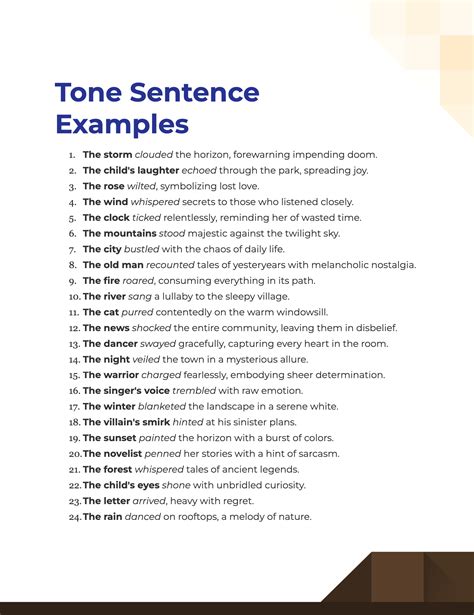
What is tone in literature
In literature, tone (TOWhn) is the attitude a writer expresses toward the subject of their text. Because readers can’t hear a character’s tone of voice in writing, it is conveyed through the author’s diction. Tone examples
Tone Definition. What is tone? Here’s a quick and simple definition: The tone of a piece of writing is its general character or attitude, which might be cheerful or depressive, sarcastic or sincere, comical or mournful, praising or critical, and so on.